
Issue 02 | June 2026

The Gap Most People Don't Know They Have
Most people use AI the way they would use a search engine. They ask questions, give it some context about their business or project, and walk away with a social media post, a website bio, or a client proposal. AI always produces something, and the results are usually good enough that it’s easy to assume there’s nothing more to it. However, there is a step most people overlook entirely when using AI, and the difference it makes is worth understanding. I didn’t realize any of this was missing until I started building my business.
The Part of AI Most People Skip
When I created my website earlier this year, AI was part of the process, but not in the way you might expect. I wasn’t using it to write my content or design my site. I was using it to learn. What’s the right way to structure this in WordPress? Hows does this work in Elementor? It was a remarkably effective technical tutor, more useful than any YouTube video I’d found.
At the time, I didn’t have a brand identity document, or any of the other structured materials that help AI truly understand a business: what you do, how you want to sound, what you stand for, and how you want to come across to your clients. Creating those documents takes real thought and effort. My website is better for it, and it will continue to improve as that foundation deepens.
I have since realized how essential these documents are for anyone trying to accomplish something specific with AI, whether that’s creating a website, launching a business, working with clients, or starting a new project. When they exist, AI isn’t starting from scratch every time you ask it something. It already knows who you are and how you approach your work. The thinking, the judgment, and the final call still come from you. These foundational documents inform the work, and everything built from that foundation carries your voice and reflects who you are.
What This Looks Like in Practice
It starts with giving AI a much more detailed understanding of your business or project, through a structured process that captures brand voice, ideal clients or audience, services, goals, and what’s at the heart of the work and vision.
Where the Work Begins
To give you a sense of the depth involved, here is a small sample of questions just one of these documents works through:
- Who specifically are you writing for, and what do they care about most?
- What do you want someone to feel after engaging with your content?
- What words or phrases do you want to stay away from?
- How do you want people to describe you to someone who doesn’t know you?
- What do you want people to understand most about your business or project
These questions look simple, but to answer them in a way that’s useful takes considerably more thought than most people expect. A brand identity document goes much deeper than this, and it is just one of the source documents that make up a complete foundation. The entire process produces a set of source documents AI can actually work from. When that foundation exists, what it helps you create sounds like yours. Not like something that could have come from anyone.
What This Could Look Like for You
A wellness professional I know has a strong sense of her brand, aesthetic, mission, and what sets her apart from other practitioners in her field. All of that lives in her head, not yet in a form she can hand to a marketing consultant or load into AI. She’s getting results. She could be getting much better results. The first step is capturing all of that in a structured, organized way that AI and anyone helping her can actually work from.
That’s work I’ve been doing in different forms for twenty years. My AI coursework and certification this spring gave me a structured framework for building exactly the kind of foundation I’m describing. The goal isn’t to let AI produce the work. It’s to give it what it needs to inform the work well. If you’re curious about what this could look like for your business or project, I’d be glad to talk it through. You can schedule a free 30-minute call at goldmarksvirtualsupport.com.
What I'm noticing, using, and returning to
Morning Lymphatic Flow.
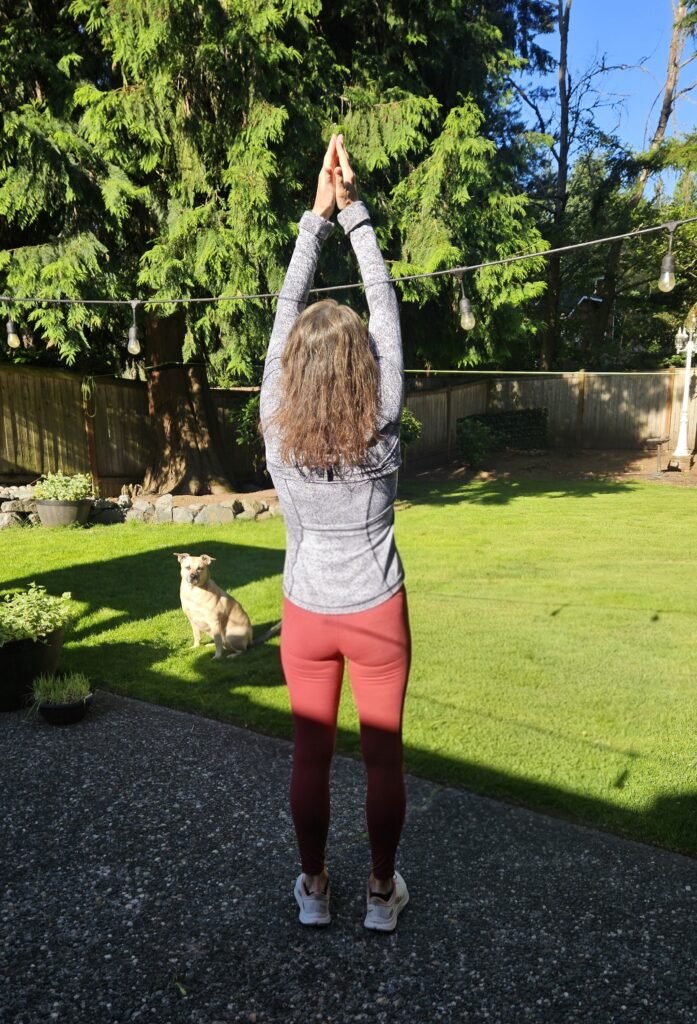
Since January I’ve been more intentional about how I start my mornings. Before looking at my phone or inbox, I step outside within 10 minutes of waking up, regardless of the weather, for a short lymphatic flow sequence. Admittedly, this has been more pleasant with summer and actual daylight. About 15 minutes of gentle movement that wakes the body up and sets me up for the day. I follow along with a reel on Instagram. If you search “morning lymphatic flow” you’ll find plenty of options. I also start with a glass of warm water, fresh lemon juice, and a shot of aloe vera. Small rituals. They add up.
Until next time,
About GoldMarks Virtual Support
GoldMarks Virtual Support helps entrepreneurs and small business owners improve operations, strengthen communications, and manage the details that matter. Led by Susan Marks, GoldMarks combines 20+ years of senior-level experience with certified AI proficiency, translating directly into more efficient, higher quality work for every client. Based in Mill Creek, Washington, serving clients remotely.